
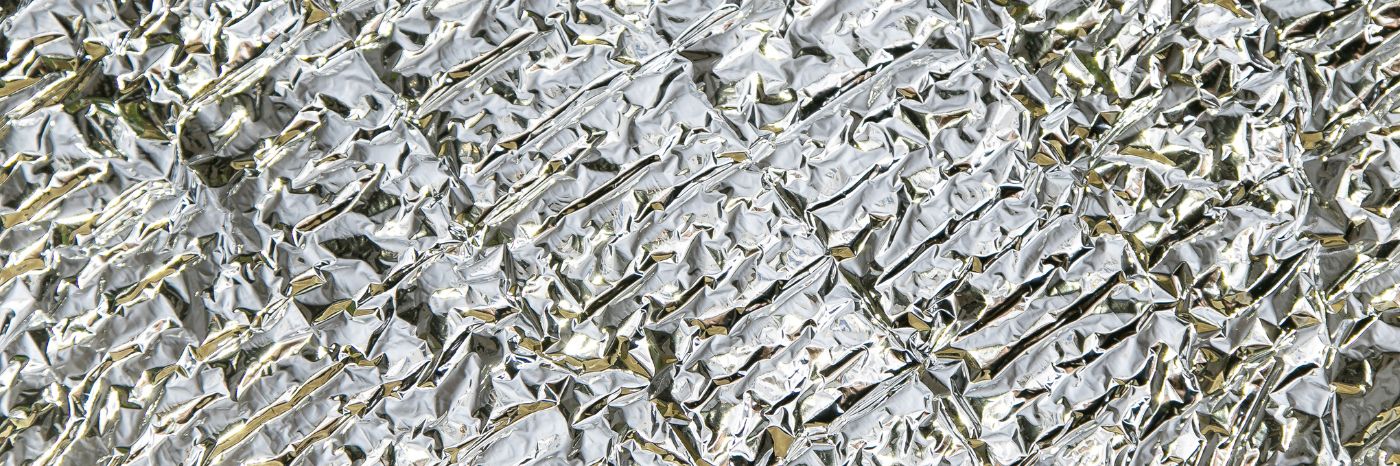
 Thermal Insulation Films

About the Author:
CEO at AlFiPa, responsible for operations as well as purchasing and sales. He is the primary contact for orders and deliveries within the company.
Thermal Insulation
Effective thermal insulation not only reduces heat loss and cold transfer but also contributes to energy efficiency and environmental protection while preventing potential moisture damage and mold growth.
Insulation films are a modern, space-saving, and cost-effective alternative to traditional insulation materials, thanks to their low layer thickness. They are in demand both in the construction industry and in industrial and technical sectors.
Moreover, specialized types of films such as window insulation films, high-temperature insulation films, or electrical/thermal films open up new application possibilities in areas that go beyond conventional insulation.
Specialized Film Solutions
Thermal insulation films are available in a wide variety of materials and designs, each tailored to the requirements of the application area.
| Film Type | Function | Material Base | Temperature Range | Application Area |
|---|---|---|---|---|
| Window Insulation Film (Energy-Saving Film) | Reflects radiant heat, reduces heating costs by up to 30–35% | PET film with metallic low-E coating | −30 °C to +80 °C | Windows, glass facades, conservatories |
| High-Temperature Insulation Film | Thermal insulation or conductivity, temperature resistant up to 200 °C | Silicone (unreinforced or fiberglass-reinforced) | −60 °C to +200 °C | Mechanical engineering, motors, heating elements |
| Electro-Thermal Insulation Film | Electrical insulation + thermal stability | Polyester, Polyimide, Polycarbonate | −50 °C to +150 °C (Polyimide up to +180 °C) | Electric motors, transformers, electronics |
Properties and Materials
Thermal insulation films are made from high-performance materials that are optimized for different physical properties depending on the application. Key factors include thermal conductivity, electrical insulation, chemical resistance, and surface reflectivity. By combining multiple layers, such as plastic, silicone, or aluminum, composite films are created with optimized performance for construction, industry, and electronics.
| Material | Features | Conductivity/Insulation | Resistance | Special Features |
|---|---|---|---|---|
| PET (Polyethylene Terephthalate) | Transparent, durable, cost-effective | Good thermal insulation, not electrically conductive | UV- and weather-resistant | Base for many window films |
| Silicone (fiberglass-reinforced) | Flexible, high-temperature resistant | Thermally conductive (1–3 W/mK) or insulating depending on the type | Oil- and chemical-resistant | Ideal for high-temperature applications |
| Polyimide | Thin, highly heat-resistant | Electrically insulating, thermally stable | Heat-resistant up to +180 °C | For motors, electronics, aerospace |
| Aluminum laminates | Reflective, moisture-proof | High reflectivity (> 95%) | Corrosion-resistant | Can be combined with PE, PET, paper |
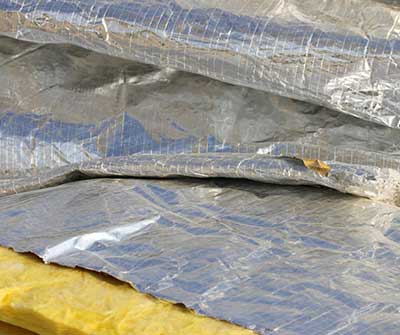
Thermal Insulation Film
In combination, these materials cover the full spectrum of modern thermal insulation technologies. From transparent energy-saving solutions to heat-resistant insulation and reflective moisture protection for industrial applications, everything is included.
In the construction sector, the assessment of thermal and moisture protection is governed by DIN 4108, which defines the requirements for thermal insulation and condensation prevention. Additionally, ISO 6946 outlines the calculation of the thermal transmittance coefficient (U-value) for building components.
These standards provide the technical framework for using thermal insulation films as modern insulation components.
Application Areas
Thermal insulation films fulfill different technical requirements depending on the type of material. Because of these differences, the areas in which they are used vary accordingly.
| Sector | Application Areas | Film Types Used | Benefits |
|---|---|---|---|
| Construction | Roof, wall, and window insulation; renovations | Window insulation film, aluminum laminate | Energy savings, moisture protection |
| Mechanical and Plant Engineering | Engine cladding, heat exchangers, heating systems | High-temperature insulation film | Temperature resistance, mechanical flexibility |
| Electrical Engineering & Electronics | Transformers, motor windings, circuit boards | Electro-thermal insulation film | Electrical safety, heat dissipation |
| Automotive & Aerospace Industry | Interior insulation, battery modules, cabin protection | Polyimide or silicone films | Lightweight, high thermal stability |
In construction, they are used for roof, wall, and window insulation. Window and aluminum laminate films reduce heat loss, increase energy efficiency, and also offer moisture protection.
In mechanical and plant engineering, high-temperature insulation films are used in engine cladding, heat exchangers, and heating systems. Their high temperature resistance and flexibility allow use in confined or high-stress areas.
In electrical engineering and electronics, electro-thermal insulation films protect components such as transformers, motor windings, and circuit boards. They provide electrical insulation and support heat dissipation in compact systems.
The automotive and aerospace industries use polyimide and silicone films for insulating battery modules, interior panels, and cabin areas. Due to their low weight and high thermal stability, they significantly contribute to energy efficiency and safety.
Advantages of Insulation Film
Thermal insulation films combine high functionality with minimal material usage. They are flexible, lightweight, and energy-efficient.
Energy and Cost Efficiency
- Reduce heat loss by up to 35% in buildings, especially for window insulation
- Lower heating and cooling costs by reflecting infrared thermal radiation
- Support a sustainable energy balance in both construction and industrial applications
Compact Design and Retrofit Capability
- Thin profile with high insulation performance and minimal space requirements
- Easy to retrofit, especially on glass surfaces, without structural modifications
- Ideal for renovations, equipment insulation, or hard-to-reach areas
Versatility and Material Combinations
- Adaptable to a wide range of applications, from construction to machinery to electronics
- Combine thermal, electrical, and mechanical insulation in one product
- Available with reflective, heat-conductive, or moisture-barrier layers depending on requirements
Durability and Special Applications
- High-temperature insulation films can be used in extreme conditions exceeding 200 °C
- Variants available with resistance to chemicals, UV, and weather
- Long-lasting performance even under mechanical stress or in changing climate conditions
Thermal insulation films combine advanced material technology with high energy efficiency and flexibility. Whether used as a retrofittable window film, high-temperature industrial variant, or electrically insulating specialty film, they provide effective thermal protection, extend the lifespan of technical systems, and actively contribute to resource conservation.
Sizes and Delivery
We offer thermal insulation films both as roll material and as custom-cut pieces. Standard formats are available, as well as custom sizes in specific widths, lengths, and thicknesses.
FAQ
What is the difference between insulation film and traditional thermal insulation?
Insulation films are a special form of thermal insulation that rely on reflection instead of mass. They complement or replace traditional insulation materials like mineral wool or rigid foam.Can insulation films also prevent moisture?
Yes, thanks to their vapor barrier layers, they also protect against moisture damage and mold formation.Where are aluminum insulation films preferably used?
Anywhere high temperatures, limited space, or combined thermal and moisture protection are required, such as in roof structures, heating systems, or vehicle construction.Can I order insulation films in custom sizes?
Yes, we supply both standard and custom formats, rolls or custom-cut parts, tailored to your specifications.
We are one of Europe’s leading suppliers of films for insulation and industrial applications, with over 40 years of experience at AlFiPa. Our team will advise you in detail on all topics and technical applications. Feel free to contact us with any questions!